

Important Factors to Consider When Designing a Custom Home in 2026
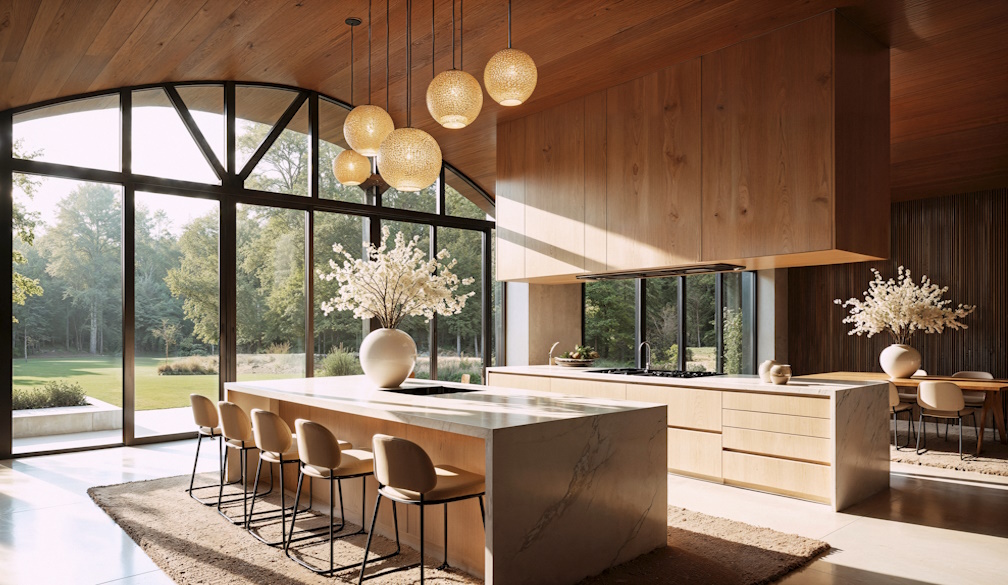
Building a custom home marks the start of an exciting new chapter. Living in a space designed around your needs, preferences, and lifestyle can be incredibly rewarding. A home built specifically for you offers a sense of pride and long term satisfaction.
That said, custom home building can also be complex and demanding. Achieving the best outcome requires careful consideration of your finances, location, design choices, lifestyle requirements, timelines, and other important factors. Understanding these elements early helps set realistic expectations and reduces stress as the project progresses.
It’s important to understand that delays can occur even with thorough planning. Weather conditions, approval processes, and supply disruptions are sometimes unavoidable.
Maintaining flexibility and open communication allows homeowners to stay positive and adapt when challenges arise. Regular updates and collaboration with your builder help ensure informed decisions and successful outcomes.
This guide outlines key considerations to support your custom home journey.
Budget and Financial Planning
Your available budget and long term financial position play a major role in shaping your custom home project. Establishing a clear budget early allows you to prioritise features that matter most, such as high end appliances, smart technology, or architectural details.
A defined budget also helps identify areas where simpler solutions may be more suitable, such as landscaping or secondary storage spaces.
It is wise to include a contingency allowance for unexpected costs. These may include permit fees, inspections, site conditions, design changes, service connections, or material price fluctuations. Planning for these variables helps keep your project moving smoothly and provides peace of mind.
Many Brisbane knockdown rebuild custom homes are funded through construction loans that later convert to standard mortgages. Speaking with lenders early can clarify interest rates, approval timelines, and documentation requirements. This ensures your financing aligns with your build schedule.
Understanding local building regulations and approval requirements also helps avoid unnecessary delays and supports long term compliance.
Choosing the Right Land and Location
The site you choose has lasting implications for both lifestyle and finances. Important factors to consider include:
- Property value and future resale: Locations close to workplaces, schools, shopping centres, and medical facilities often experience stronger long term growth.
- Lifestyle and daily convenience: Shorter travel times improve quality of life and help reduce ongoing transport costs.
- Future development potential: Areas earmarked for infrastructure upgrades may benefit from increased property values over time.
- Ongoing ownership costs: Properties in flood prone or high risk areas may attract higher insurance premiums. Remote locations can also involve increased service and maintenance expenses.
- Environmental considerations: Orientation affects natural light, heating, and cooling efficiency. Noise levels, traffic, and climate exposure can influence comfort. Soil quality is another critical factor, as it impacts foundation design, drainage, and maintenance requirements. Engaging a specialist builder to assess site conditions can help determine suitability.
Some homeowners prefer urban living with easy access to amenities, while others value rural settings for privacy and scenic views. Whichever you choose, consider travel distances, access to services, and long term maintenance costs.
Zoning regulations must also be reviewed, as they influence home size, design, and placement. Local council approval is required before construction begins, and zoning rules can affect future resale appeal.
Designing for Function and Lifestyle
A custom home should be a reflection of how you live. Consider daily routines and individual household needs when planning your layout. Think about work from home requirements, bedroom numbers, shared living spaces, and storage needs.
It is equally important to plan for future changes. Growing families may need flexible rooms and additional bathrooms, while downsizers or retirees may prefer single level designs that reduce maintenance and running costs.
Long term value should also be considered. Even if you plan to stay for many years, incorporating practical layouts and modern features can enhance resale appeal and investment potential.
Striking the right balance between design and usability is key. While bold finishes and visual features can be appealing, durability and ease of maintenance are just as important. Working closely with your Gold Coast knockdown rebuild specialist helps create a home that is both visually impressive and practical for everyday living.
Understanding the Project Timeline
A custom home build typically progresses through the following stages:
- Planning and preparation: Budget setting, goal definition, site selection, zoning checks, and approvals.
- Design development: Concept plans, floor layouts, finishes, materials, and initial cost estimates.
- Approvals and permits: Submission and approval of council and building documentation.
- Construction: Structural works, service installation, and internal and external finishes.
- Final inspections and handover: Compliance checks, certification, and key handover.
- Moving in: Final touches such as landscaping, fencing, and furnishing.
Understanding each stage supports better budgeting, scheduling, and decision making. While delays can occur due to weather or supply issues, flexibility helps maintain momentum.
Building a strong working relationship with your builder is essential. Regular updates and transparent communication reduce stress and keep expectations aligned.
Materials and Sustainable Design Choices
Material selection should focus on durability, performance, and long term value. Investing in quality roofing, windows, flooring, and structural elements often results in better returns over time.
Sustainable home features are increasingly popular across Australia due to their cost savings, comfort benefits, and reduced environmental impact. Consider incorporating:
- Solar energy systems
- Double glazed windows
- Responsibly sourced timber
- Low toxicity paints and finishes
- Rainwater collection systems
- Water efficient fixtures
- Optimised natural lighting
- Efficient irrigation
- Automated heating, cooling, and lighting controls
These features improve energy efficiency, reduce running costs, and contribute to a healthier living environment.
Personalisation and Unique Features
One of the greatest advantages of a custom home is the ability to personalise every detail. Features such as open plan kitchens, flexible living spaces, home offices, gyms, libraries, outdoor entertaining areas, and landscaped gardens help create a truly individual home.
Smart home technology is now a standard inclusion in many builds. Automated lighting, climate control, security systems, and entertainment solutions improve comfort, convenience, and property value.
Smaller custom touches like built in storage, shelving, and tailored cabinetry add personality and practicality, ensuring your home reflects your lifestyle.
Final Thoughts
Building a custom home is both exciting and complex. By carefully considering your budget, site selection, lifestyle needs, timeline, materials, and custom features, you can navigate challenges and achieve lasting results.
Working with an experienced Brisbane custom home builder can make a significant difference.


