

The Hidden Ways Termites Invade Australian Properties
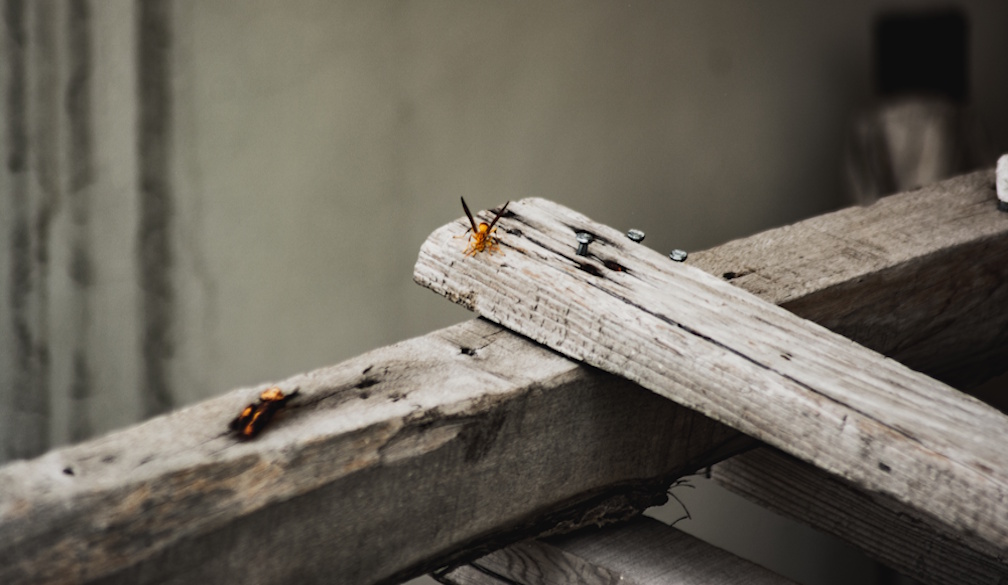
In many situations, termites enter Australian properties without being detected. Their activity usually begins out of sight, moving through soil or within wall cavities well before any surface damage becomes visible. To understand how they gain entry, it helps to consider how termites live, how they search for food, and what environmental factors attract them to buildings.
Subterranean Termites in Australia
Subterranean termites are the primary species responsible for structural damage across Australia. These insects establish large underground colonies and move through the soil in search of timber and other cellulose based materials.
From their central nest, they form extensive tunnel networks that can travel considerable distances. When they emerge above ground, they construct protective mud shelter tubes. These tubes shield them from predators and prevent dehydration. Because subterranean termites favour dark, damp and undisturbed environments, infestations often remain hidden until significant damage has already occurred.
How Termites Locate Food Sources
Termites are highly responsive to changes in their surroundings. Timber resting on the ground creates a cooler and more humid microclimate beneath it. This shaded, moist environment signals potential food, while compounds released by decomposing wood further encourage termite exploration.
Buildings create an even larger shaded zone. Soil around a home often retains moisture, particularly where drainage is inadequate. To termites, a house can represent a large, stable supply of timber.
Once termites begin investigating near a structure, they continue extending their underground galleries until they find points where they can enter the building itself.
Why Certain Homes Attract Termites More Than Others
While termites are present in most regions, some properties are more vulnerable due to environmental and construction related factors.
Moist Soil Conditions Around the Home
Elevated moisture levels in soil surrounding a property significantly increase termite risk. Issues such as poor site drainage, blocked ventilation points, leaking gutters and faulty plumbing raise moisture levels around foundations. Damp soil beneath or alongside a structure provides favourable conditions for termite activity.
In contrast, well drained and dry soil around the building perimeter acts as a natural deterrent. Good site drainage and ventilation reduce the likelihood of termites establishing close to the home.
Internal Water Leaks That Encourage Activity
Leaks within the building can also attract termites. Bathrooms and wet areas are common problem zones. Water that penetrates walls and flows into the ground below carries compounds from timber materials, creating both moisture and scent cues that termites are drawn to.
Roof leaks can follow wall cavities down into the subfloor or soil beneath the structure. Where leaks remain unresolved, timber may begin to deteriorate, making it more attractive to foraging termites.
Promptly repairing leaks removes one of the key conditions that encourages termite exploration near the home.
Typical Structural Entry Pathways
While moisture attracts termites to a property, construction features often determine how easily they can gain access.
Concrete Slab Construction
In slab on ground homes, service penetrations, construction joints and slab edges all present potential access points. If these areas are not properly protected during construction, termites may enter unseen.
Cracks that develop in poorly constructed slabs create further vulnerabilities. Unlike designed joints, these cracks are difficult to seal retrospectively and can become concealed entry routes.
Pier and Post Construction
Older elevated homes often rely on metal ant capping to prevent concealed termite access. The capping forces termites to construct visible mud leads around the barrier if they attempt to reach timber framing above.
How Landscaping and Storage Conceal Termite Movement
Many modern homes are designed so termite movement becomes visible before extensive damage occurs. However, landscaping and storage practices can unintentionally hide early warning signs.
In slab on ground homes, the slab edge should remain exposed so termite activity can be seen if insects attempt to bridge the barrier. When garden beds, soil, paving or decking cover the slab edge, termite entry can remain concealed for long periods.
Similarly, in pier and post homes, ant capping is intended to force termites into visible pathways. When stored items, enclosed areas or debris restrict access beneath the home, inspections become more difficult and termite activity may go unnoticed.
Maintaining clear inspection zones around slab edges and under raised floors increases the chance of early detection. If termites are found, Brisbane termite treatments can remove active colonies and reduce the risk of further structural damage.
Can Termites Establish Nests Inside Homes
Most termite activity originates from colonies located outside the building, with workers capable of travelling long distances from the nest.
Although uncommon, termites can establish a colony beneath a home if conditions are suitable. This may occur when winged termites enter during mating flights and locate favourable moisture conditions under the structure. Once a colony becomes established, it may remain concealed for extended periods.
Reducing the Risk of Hidden Entry
Brisbane termite inspections play an important role in protecting homes from concealed termite access by identifying risks that are not visible during everyday use of the property. Inspections assess whether termites are present and highlight moisture problems, slab vulnerabilities, hidden access points and other contributing factors.
Early indicators such as shelter tubes, damp subfloor areas and compromised construction details can be detected before significant damage develops. Inspection reports also outline practical measures such as improving drainage, repairing leaks and adjusting landscaping to reduce termite risk.
By addressing these vulnerabilities and maintaining routine monitoring, properties become far less attractive and accessible to termites.
Keeping Termites Out of Your Home
Termite infestations are rarely random. Excess moisture, unprotected entry points, concealed slab edges and restricted inspection access all increase the likelihood of hidden termite entry.
Shifting focus from reactive repairs to proactive prevention is key. Managing moisture, maintaining clear inspection zones and addressing construction weaknesses significantly lowers the chance of termites establishing activity within a structure.
Where termites are already present, prompt termite treatment in North Brisbane can help protect homes from the onset of termite infestation. When combined with regular inspections and ongoing property maintenance, this approach greatly reduces the risk of concealed termite activity leading to serious structural timber damage.


