

Choosing Between Compact and Full-Size Caravans
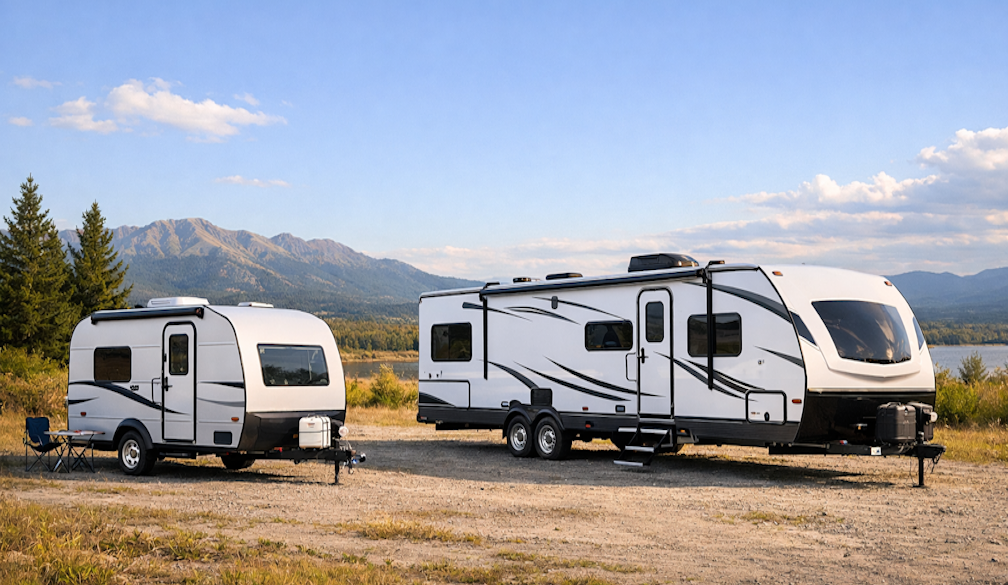
The decision between a compact and full-size van is one of the first and most consequential choices any buyer faces when entering the caravans market. Both configurations have genuine strengths, and the right choice depends heavily on how and where you plan to travel, how many people will be on board and what your tow vehicle can realistically handle. For those exploring caravans in Queensland, Australia, the range of available terrain adds another layer to the decision. This article will help you work through the key considerations on both sides.
The Case for Compact Caravans
Compact caravans appeal to a wide range of buyers for practical reasons that become more apparent the further you travel from home. A shorter, lighter van is easier to tow, places less strain on the tow vehicle and tends to be more fuel-efficient on long highway runs, which matters considerably on extended Queensland road trips where distances between stops can be significant. Compact configurations also navigate more easily into tighter campsites and are better suited to destinations where space is limited or access roads are narrow. For couples or solo travellers who don't need multiple sleeping areas, the reduced footprint of a compact van often delivers everything required without the weight and size penalty of a larger model.
What Full-Size Caravans Offer
Full-size caravans address a different set of priorities, centred primarily on living space and the ability to accommodate more travellers comfortably over an extended period. A larger van typically offers a full residential-style kitchen, a permanent master bed without the need for any conversion, a separate bathroom and considerably more storage capacity than a compact alternative can provide. For families or couples planning long-term travel who want something closer to a home-away-from-home experience, the additional size can be a big advantage rather than simply extra weight. On-road caravans in the full-size category are particularly well-suited to Queensland's sealed highway network, where the distances and conditions favour a comfortable and well-appointed van over a stripped-back lightweight option.
Matching the Van to Your Tow Vehicle
Regardless of which size appeals, the decision ultimately needs to align with what your tow vehicle can safely and legally handle. A full-size van that exceeds your vehicle's rated towing capacity creates safety risks and potential insurance and registration issues that no amount of extra living space is worth. Before making any final decision, confirming your tow vehicle's Gross Combined Mass rating and cross-referencing it against the loaded weight of any van you're considering is a non-negotiable step. Those browsing caravans in Queensland, Australia will find that dealers are generally well-placed to assist with this assessment.
Conclusion
Choosing between compact and full-size caravans comes down to an honest assessment of your travel style, your group size and your tow vehicle's capability. Taking the time to visit dealers and think critically about how each layout would function on a real trip gives you the clearest possible basis for a decision you'll be satisfied with for years to come.


